

 English
 Bahasa Melayu
The Spectrum of Human Actions According to the Quran
Spectrum +4 Consistently Good
Level +4 is the level of goodness that has gone beyond occasional action. It is not merely that we do good at a certain moment only, but that goodness has become part of our life. It becomes a habit, a discipline, a path of return, and a repeated pattern every day and at all times.
In the language of the Quran, this level is called istiqamah, which means remaining firmly upon the right direction after acknowledging Allah as Rabb.
...إِنَّ ٱلَّذِينَ قَالُوا رَبُّنَا ٱللَّهُ ثُمَّ ٱسْتَقَٰمُوا
“Indeed, those who say, ‘Our Rabb is Allah,’ then remain steadfast...”
Excerpt from Surah Fuṣṣilat 41:30
This verse shows that the declaration of faith does not stop at words alone. After a person says, “Our Rabb is Allah” (رَبُّنَا ٱللَّهُ), a second demand comes: “then they remain steadfast” (ثُمَّ ٱسْتَقَٰمُوا). We must be consistent, firm and upright. We must not turn goodness into an action driven only by temporary emotion, and we must not treat obedience as a seasonal task.
So +4 is not merely “good”. It is goodness that repeats, goodness that endures and goodness that becomes the direction of life.
The Quran also mentions people who do not merely perform good deeds, but hasten and compete in goodness.
...إِنَّهُمْ كَانُوا يُسَٰرِعُونَ فِي ٱلْخَيْرَٰتِ...
“...Indeed, they used to hasten in good deeds...”
Excerpt from Surah al-Anbiyā’ 21:90
The word يُسَٰرِعُونَ indicates a proactive attitude in goodness. We should not wait for good opportunities to appear by chance. We must look for room to do good, do it quickly when we are able, and not delay goodness without reason.
In another verse, Allah says:
أُو۟لَٰٓئِكَ يُسَٰرِعُونَ فِي ٱلْخَيْرَٰتِ وَهُمْ لَهَا سَٰبِقُونَ
“They are the ones who hasten in good deeds, and they are ahead in them.”
Surah al-Mu’minūn 23:61
This verse adds another level. It is not merely doing good. It is not merely being quick toward goodness. Rather, they become the people who are ahead in goodness.
This is important in building the spectrum.
+1 is doing good.
+2 is choosing what is better.
+3 is choosing what is best in a particular situation.
+4 is when goodness becomes continuity, regularity and a way of life.
That is why +4 is not simply “best”. It is consistent goodness, or istiqamah.
At the same time, the Quran also gives the picture that good deeds must not be cancelled or ruined after they have been done.
يَـٰٓأَيُّهَا ٱلَّذِينَ ءَامَنُوٓا۟ أَطِيعُوا۟ ٱللَّهَ وَأَطِيعُوا۟ ٱلرَّسُولَ وَلَا تُبْطِلُوٓا۟ أَعْمَـٰلَكُمْ
“O you who believe! Obey Allah and obey the Messenger of Allah, and do not invalidate your deeds!”
Surah Muḥammad 47:33
This verse shows that goodness does not only need to be done. It also needs to be protected constantly. There are people who do good, but then ruin it with riya’, by hurting others, by reminding people of their favors, by arrogance, or by returning to evil that wipes away the good effect of that deed.
Therefore, the +4 level requires two things at the same time:
- Doing good consistently, and
- Protecting that goodness from being ruined.
The Quran also links goodness with patience, because no goodness can endure without patience.
وَٱصْبِرْ فَإِنَّ ٱللَّهَ لَا يُضِيعُ أَجْرَ ٱلْمُحْسِنِينَ
“And be patient, for indeed Allah does not allow the reward of those who do good to be lost.”
Surah Hūd 11:115
This verse gives the foundation that continuous goodness requires patience. Patience means holding oneself back from descending. It is patience that preserves good deeds. Patience in dealing with people. Patience when one is not appreciated. Patience when no results are visible. Patience to remain upon the good path even when the world does not always offer praise.
Technically, +4 has several characteristics:
First, its direction is consistent. We may be weak, but our direction does not change from seeking the pleasure of Allah.
Second, the goodness is repeated. It is not a momentary burst, not only when we are sad, not only when we are desperate, and not only when we are praised.
Third, there is an effort to protect the deed. We do not allow goodness to be ruined by riya’, reminders of favors, insults, arrogance, or corrupted intentions.
Fourth, there is the ability to return after making a mistake. Being consistently good does not mean we never fall. It means that when we fall, we do not remain below. We rise, repent and return to improving ourselves.
Fifth, goodness begins to influence character. At this level, goodness is no longer merely an external action. It begins to shape the way we see, choose, speak, write, give, restrain ourselves and make decisions.
For example, in charity.
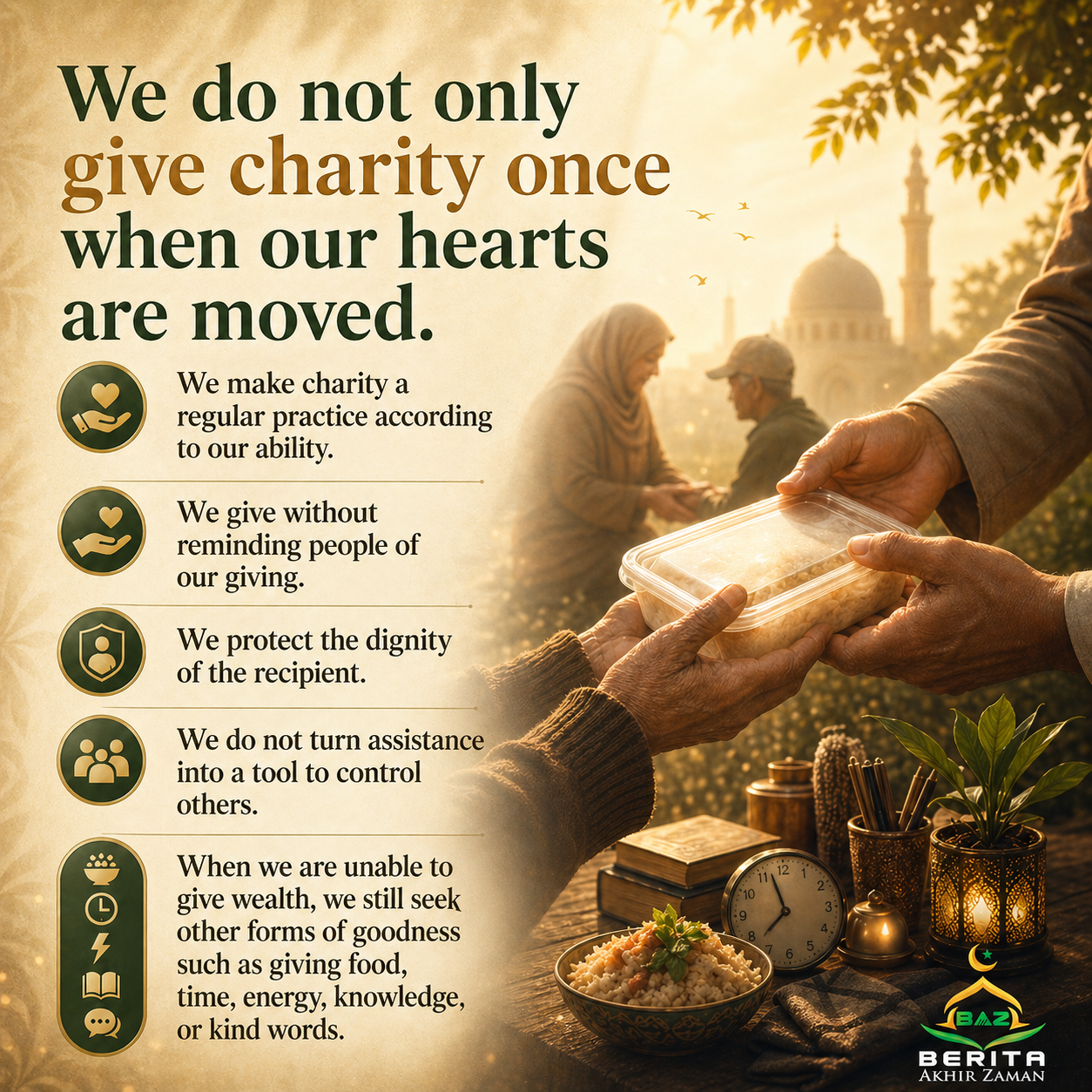
We do not only give charity once when our hearts are moved. We make charity a regular practice according to our ability. We give without reminding people of our giving. We protect the dignity of the recipient. We do not turn assistance into a tool to control others. When we are unable to give wealth, we still seek other forms of goodness, such as giving food, time, energy, knowledge, or kind words.
For example, in reading the Quran.
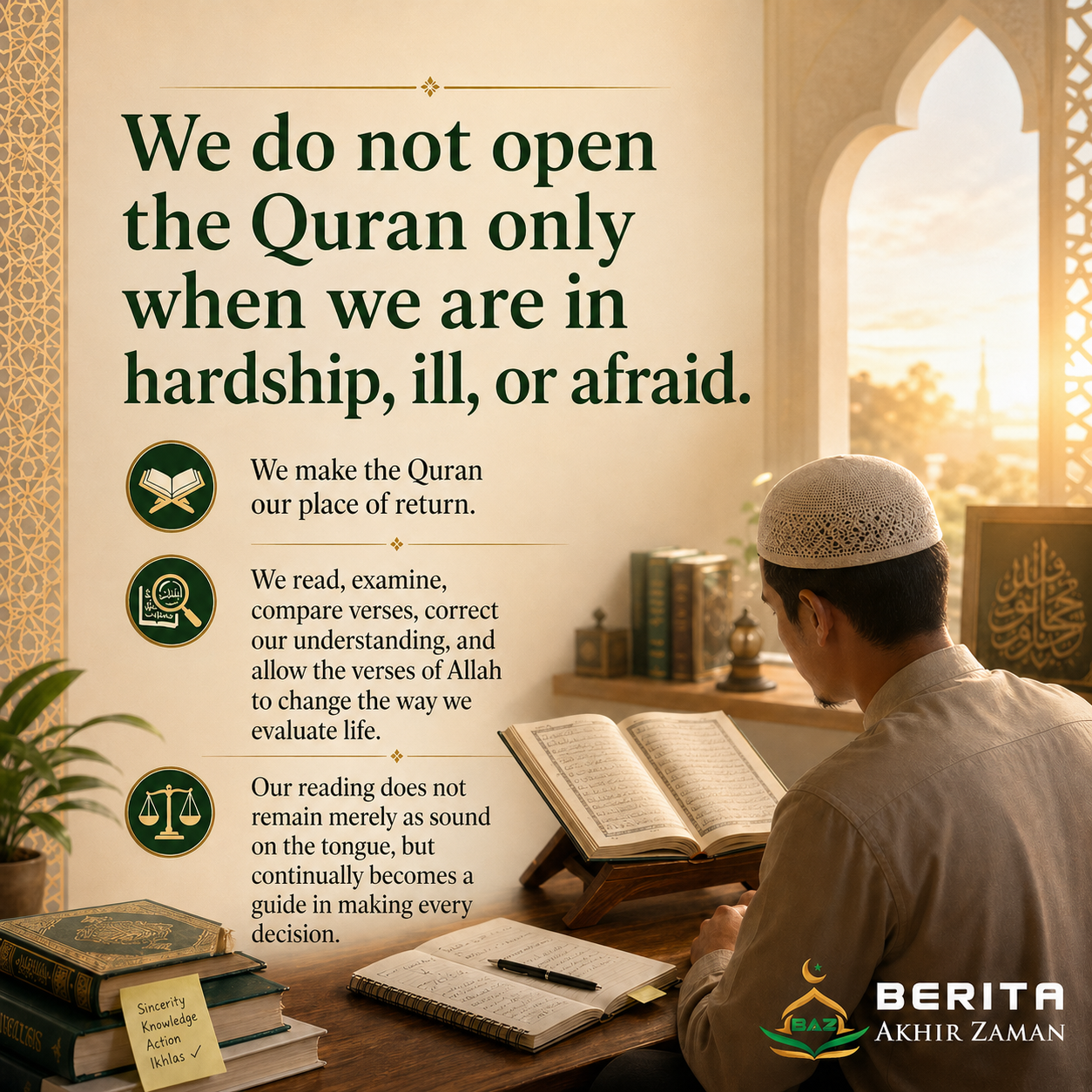
We do not open the Quran only when we are in hardship, ill, or afraid. We make the Quran our place of return. We read, examine, compare verses, correct our understanding, and allow the verses of Allah to change the way we evaluate life. Our reading does not remain merely as sound on the tongue, but continually becomes a guide in making every decision.
For example, in guarding the tongue.
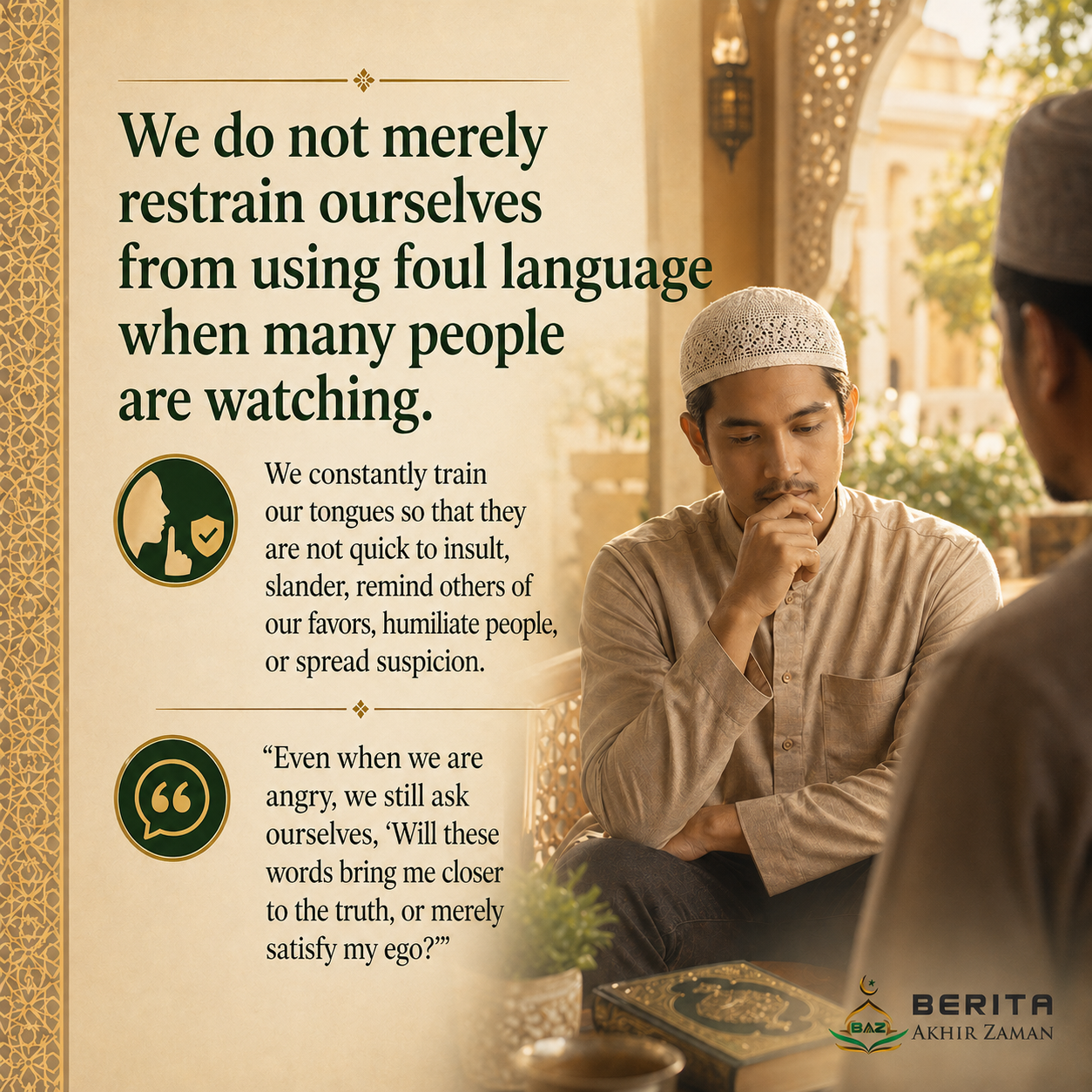
We do not merely restrain ourselves from using foul language when many people are watching. We constantly train our tongues so that they are not quick to insult, slander, remind others of our favors, humiliate people, or spread suspicion. Even when we are angry, we still ask ourselves, “Will these words bring me closer to the truth, or merely satisfy my ego?”
For example, in writing and conveying knowledge.
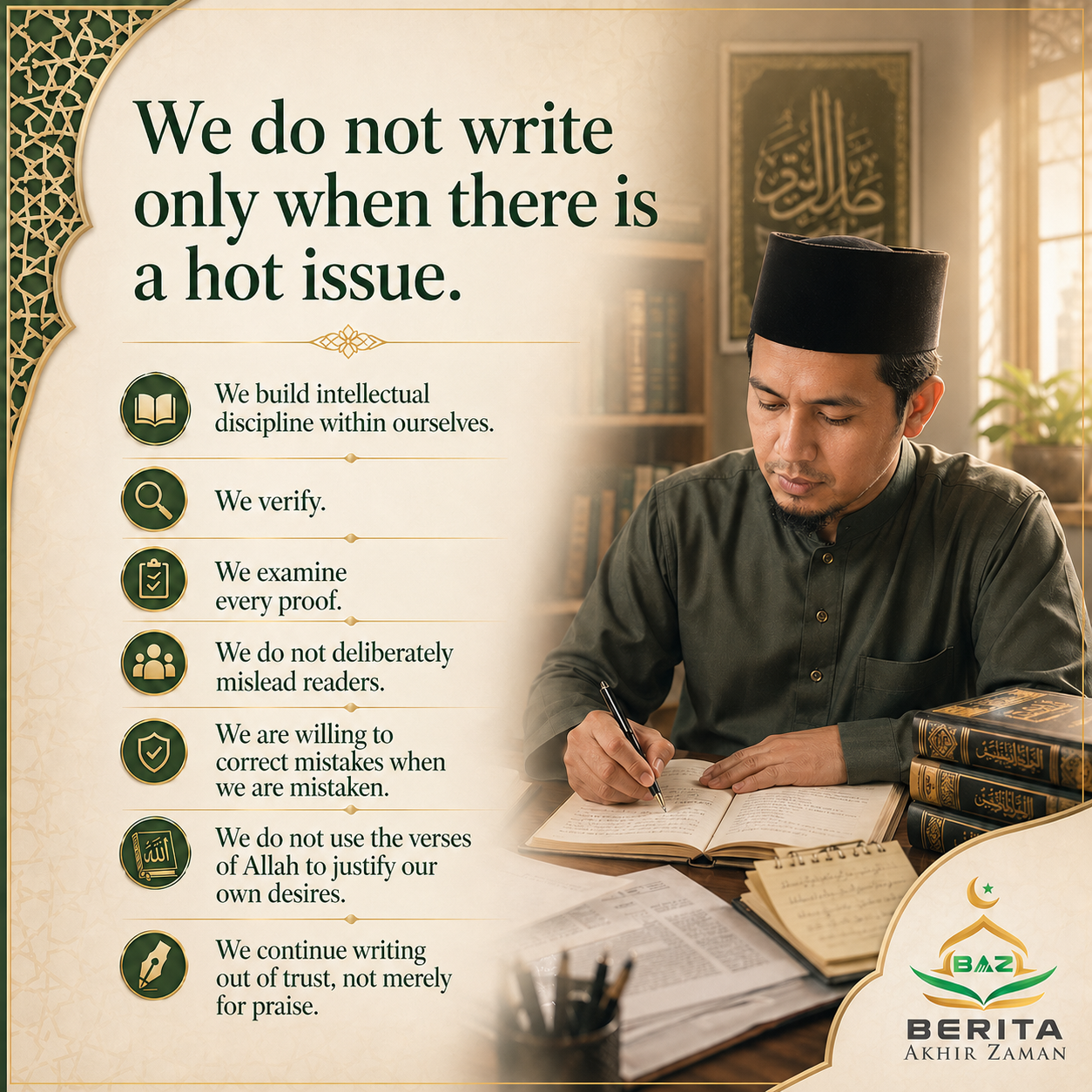
We do not write only when there is a hot issue. We build intellectual discipline within ourselves. We verify. We examine every proof. We do not deliberately mislead readers. We are willing to correct mistakes when we are mistaken. We do not use the verses of Allah to justify our own desires. We continue writing out of trust, not merely for praise.
For example, in family life.
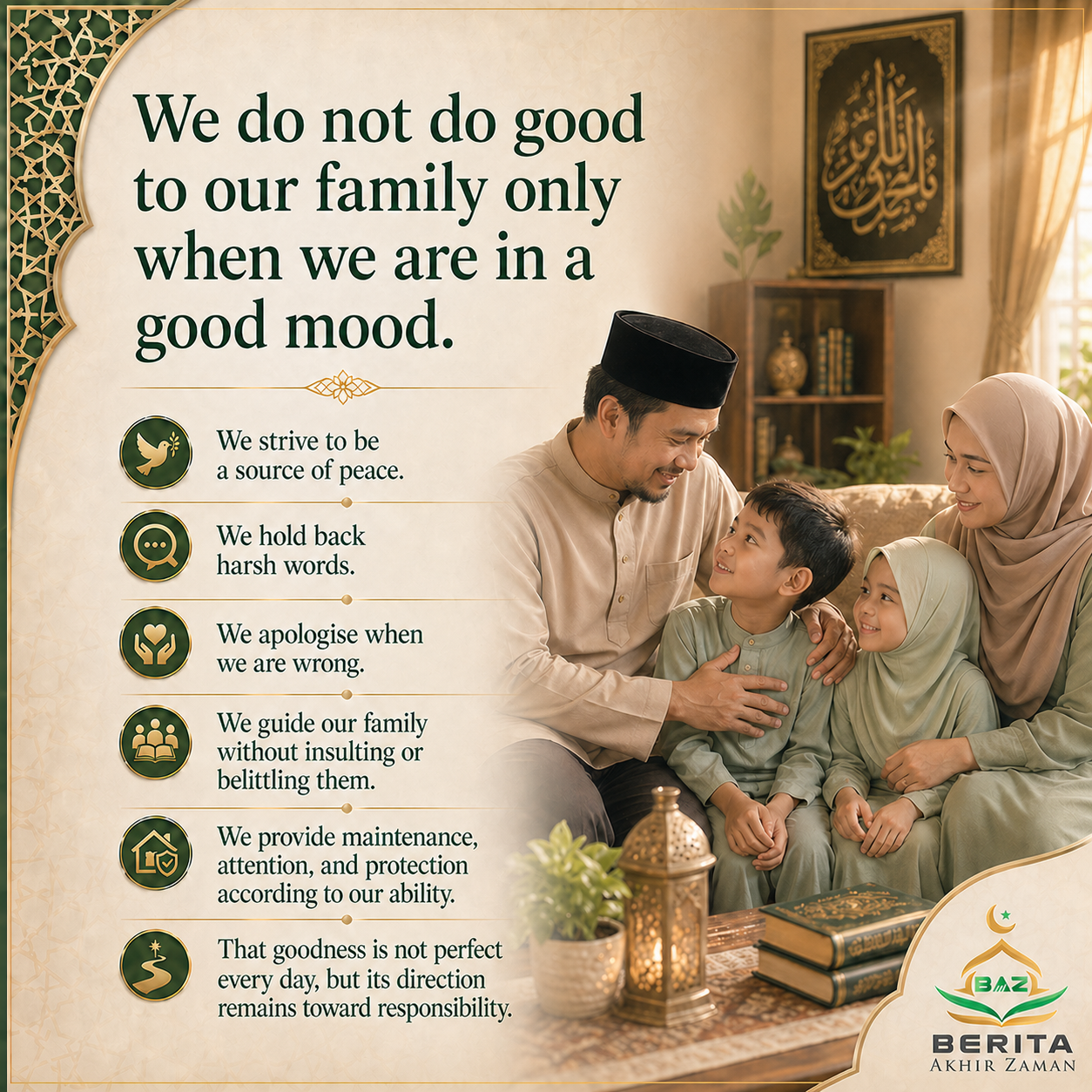
We do not do good to our family only when we are in a good mood. We strive to be a source of peace. We hold back harsh words. We apologise when we are wrong. We guide our family without insulting or belittling them. We provide maintenance, attention and protection according to our ability. That goodness is not perfect every day, but its direction remains toward responsibility.
For example, in restraining anger.
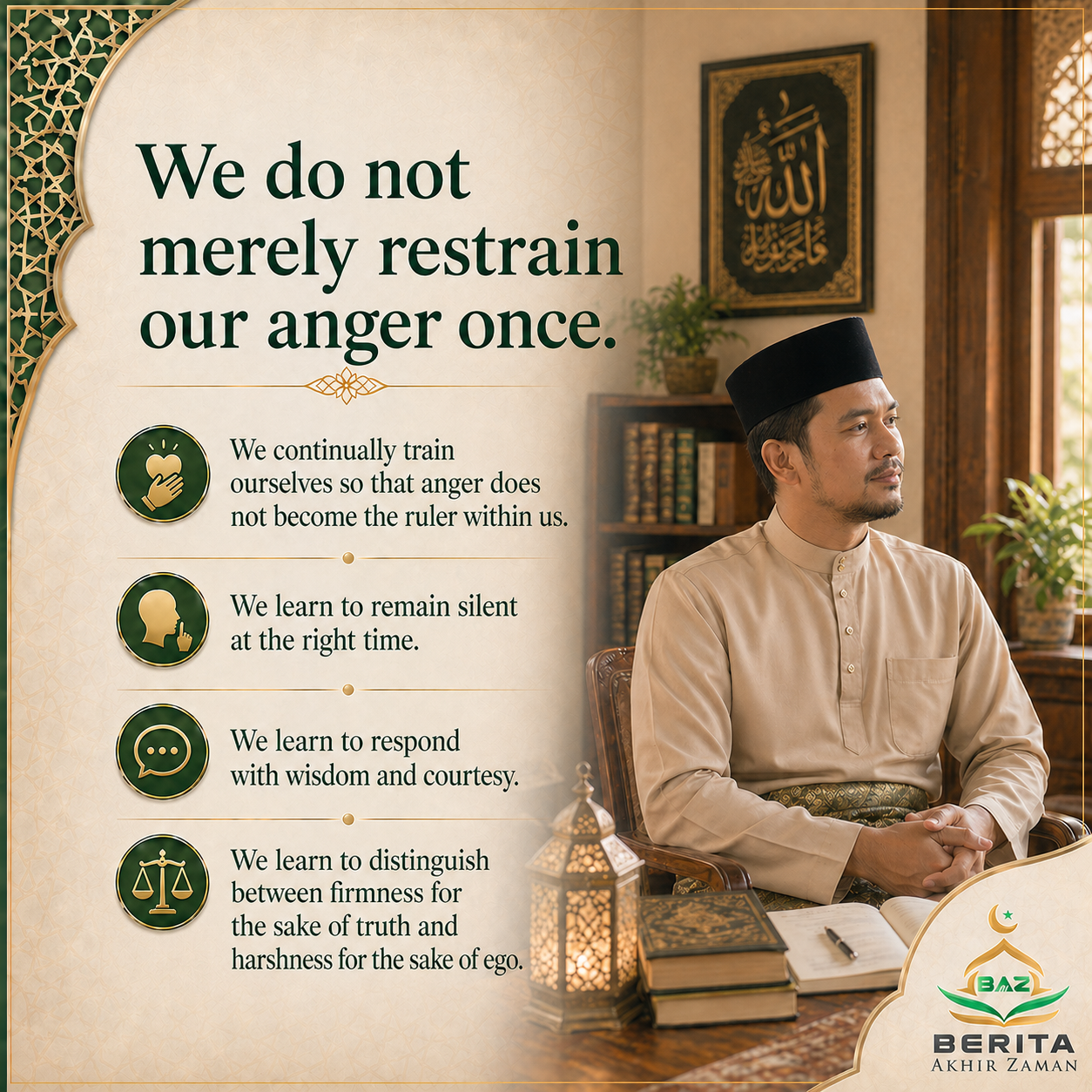
We do not merely restrain our anger once. We continually train ourselves so that anger does not become the ruler within us. We learn to remain silent at the right time. We learn to respond with wisdom and courtesy. We learn to distinguish between firmness for the sake of truth and harshness for the sake of ego.
Conclusion
Therefore, +4 is the level of goodness that has become a way of life. From here, deeper realities begin to be reached.
It does not mean that we have become pure. It does not mean that we never become weak. It also does not mean that we never make mistakes.
It means that when we make a mistake, we return. When we become weak, we rise. When we are given an opportunity, we continue to improve. When we do good, we try to preserve it so that it remains. When we are already upon goodness, we strive to stay firm upon it and repeat it as a routine.
This is the meaning of +4 in this spectrum:
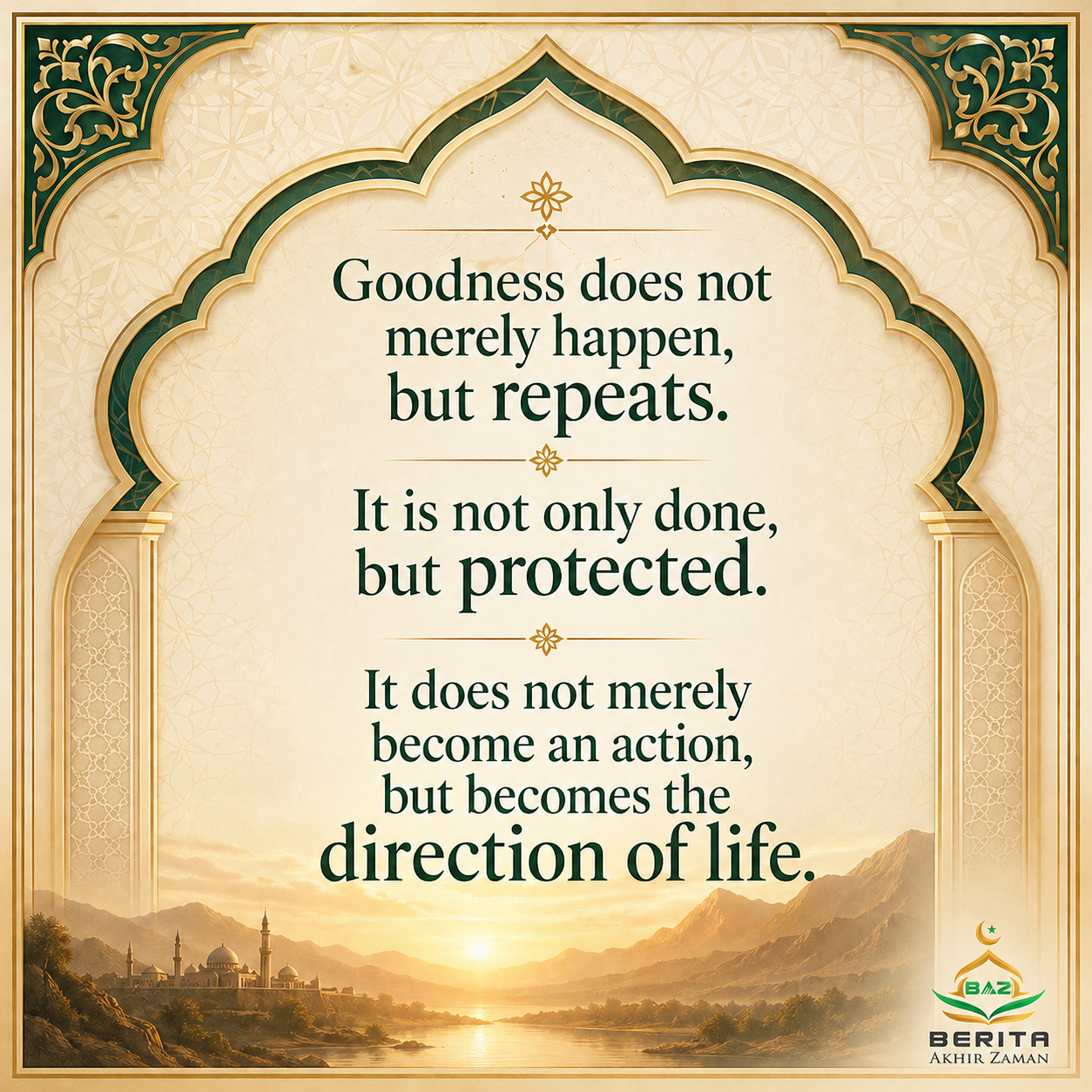
Goodness that does not merely happen, but repeats. It is not merely done, but protected. It does not merely become an action, but becomes the direction of life.
Reply to: